
“More for Mums”: New research reveals major gap in postnatal care as sleep-deprived parents struggle to cope.
New research commissioned by ergoPouch, has identified a significant and largely overlooked gap in postnatal care for families across the UK – a lack of meaningful support for parental sleep deprivation during the early years of motherhood.
Based on responses from 1,194 UK parents, the research highlights the hidden depth, longevity and impact of sleep deprivation, revealing that for many families, exhaustion does not end after the newborn stage but persists well into toddlerhood and beyond.
While tiredness is widely accepted as “part of having a baby”, the findings show that long-term sleep deprivation affects 72% of parents’ mental health and overall wellbeing, with 45% experiencing symptoms of postnatal anxiety or depression they believe are directly linked to lack of sleep. More than half of respondents (55%) had babies over 12 months old, challenging the assumption that sleep issues naturally resolve in the first year.
The research also highlights the real-world consequences of chronic exhaustion. One in five parents (22%) reported feeling unsafe driving due to tiredness, while 8% said they had experienced an accident they attributed to lack of sleep. Parents described struggling to function day to day, with sleep deprivation impairing memory, decision-making, emotional regulation and the ability to work effectively.
Despite the scale of the issue, professional support remains largely inaccessible. Only 2% of parents said they had hired a sleep expert, with the majority relying on informal advice, trial and error, or overstretched health visitors and midwives for guidance. While the NHS acknowledges tiredness and provides informal coping guidance, there is no formalised sleep support pathway embedded in postnatal care for parents experiencing long-term or debilitating sleep deprivation, despite its clear link to maternal wellbeing.
ergoPouch – Helping families Thrive not Survive
ergoPouch, the Australian sleepwear brand, was alarmed by the contrast between the UK and Australia when it comes to parental sleep support. In Australia, families have access to multiple touchpoints, including health professionals, helplines and specialised early-parenting programmes, spanning free community services through to private, fee-based support. This level of structured sleep guidance is largely absent from routine postnatal care in the UK.
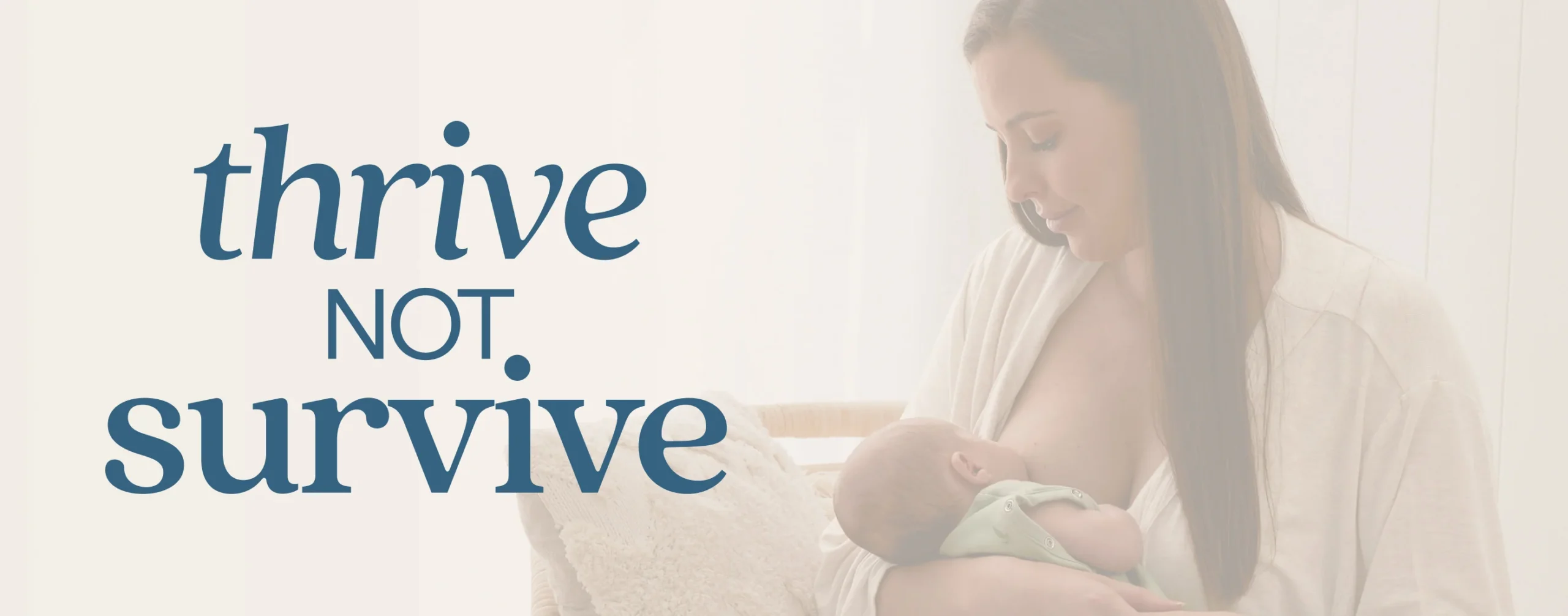
In response ergoPouch is launching “Thrive Not Survive” – a nationwide awareness campaign designed to amplify parents’ lived experiences, backed by research. The campaign hopes to highlight the desperate needs for better sleep support in pre- and postnatal care, to prepare parents for the reality of early parenthood and provide clear pathways to help when things become overwhelming.
Until policy change catches up, ergoPouch has pledged £10,000 to a Thrive Fund, aimed at helping sleep-deprived parents access practical sleep support. The fund hopes to help around 200 families over the next 6 months, and is designed to remove cost barriers and provide early intervention for families at risk of burnout, isolation and declining mental health. Further information on eligibility and access is available via the ergoPouch.co.uk website.
Alina Sack, Founder and CEO of ergoPouch explains: “Parents are told to expect sleepless nights, but they’re not told how deeply or how long sleep deprivation can affect their mental health, relationships and ability to function. This research shows that too many mums are surviving in silence. Through Thrive Not Survive, we want to push for better understanding, better support, and ultimately more for mums — because thriving, not just surviving, should be the goal.”
The #MoreForMums, #ThriveNotSurvive, and #ergoPouchUK campaign will run nationwide, encouraging parents, professionals and policymakers to acknowledge sleep deprivation as a serious postnatal issue — and to rethink how families are supported in the earliest years.
You can read the full study here: The impact of parental sleep deprivation in young families – ergoPouch UK